The Security Gaps We Find Most Often in Consumer IoT Installations
 Julius McGee
Posted On 17th January 2026
Julius McGee
Posted On 17th January 2026
Smart cameras, doorbells, lights, and thermostats are now a standard part of modern homes. These devices offer comfort and improved safety while remaining easy to install and manage. Initially, everything works fine as expected, but over time, small issues start surfacing—and homeowners often fail to recognize them. These situations are usually not caused by broken devices or faulty applications. Instead, they tend to result from security gaps that were overlooked during setup.
While controlling everything in one place has become the new normal, most issues in consumer IoT installations do not arise from advanced cyberattacks. Instead, they stem from basic security steps that were misunderstood, skipped, or not clearly explained.
What Is IoT Security
IoT security refers to technologies, practices, and controls used to protect connected devices, the networks they operate on, and the data they collect or transmit. Typically, it focuses on:
- Securing the device itself (firmware, credentials, interfaces)
- Protecting communication channels (local network, cloud, APIs)
- Safeguarding user data and privacy
- Preventing unauthorized access and misuse
The importance of these controls is backed by real-world data. According to recent reports shared by Microsoft Digital Defense, attacks focused on IoT and unmanaged devices are on the rise as attackers exploit issues that are common across consumer environments. IoT devices bridge physical and digital spaces. Therefore, weak security increases the risk of data loss and poses a real threat to safety as well as privacy.
Illustration: Freepik
Understanding Consumer IoT Devices
Consumer IoT devices are regular household items that connect to the internet, such as smart cameras, locks, speakers, thermostats, lights, and fitness trackers. They help you automate tasks, monitor your home, and control devices from anywhere.
They typically rely on three key components: the home network, a companion app, and a cloud service. When any of these layers are weak or misconfigured, it can create security gaps that affect the entire system.
Common Security Gaps in Consumer IoT Installations
Although the brands and categories of devices differ, consumer IoT installations often suffer from the same security weaknesses. Below are common gaps we see—and why they matter.
Default Credentials and Weak Authentication
Many devices prioritize fast setup over strong authentication. As a result, users often leave default credentials unchanged, reuse passwords across devices, or skip multi-factor authentication altogether. This makes it easy for attackers to scan networks and automatically test common credentials.
Why this is a serious risk
- Successful access allows remote control of the device
- Compromised devices can be used as pivot points inside the home network
- Devices may be added to botnets without the user’s knowledge
What to do
Change default usernames and passwords during installation. Use unique passwords for each platform or device, and enable multi-factor authentication wherever it’s supported. A password manager can make this much easier to maintain over the long term.
Illustration: Freepik
Missing or Delayed Firmware Updates
Firmware is the software controlling the operation of IoT devices. When risks are discovered, firmware updates are the primary mode of remediation. In consumer environments, updates are often delayed or missed because users fear updates will break functionality, or because automatic updates are disabled.
Why this is a serious risk
- Exploits target known firmware versions
- Attacks can be automated at scale
- Devices remain vulnerable indefinitely without updates
What to do
Timely firmware updates are a foundational step in protecting smart devices from hacking, since an unpatched system remains exposed to evolving online threats. Choose vendors with clear support and update policies, and enable automatic firmware updates if available. If your devices don’t auto-update, set a monthly reminder to check for firmware and app updates. Turn off unused features such as remote access, microphone access, and cloud recording to reduce security risk.
Insecure Home Network Configuration
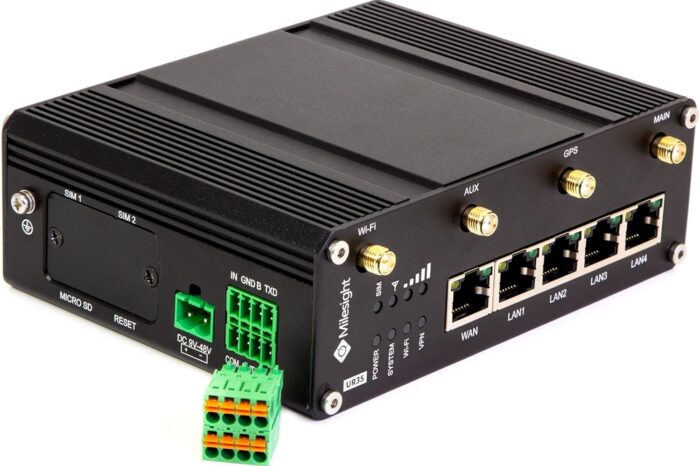
The overall security of consumer IoT devices is shaped by the strength and configuration of the home network. Security gaps often appear when routers run outdated firmware, use weak Wi-Fi passwords, rely on deprecated encryption standards, or keep default settings unchanged.
Why this is a serious risk
- Device traffic can be intercepted or manipulated
- Attackers can gain access to multiple devices simultaneously
What to do
Use WPA3 whenever possible, or WPA2-AES if WPA3 is unavailable. Avoid outdated standards like WEP or WPA. Disable WPS and UPnP unless absolutely necessary. Keep router firmware updated, change the default admin password, and consider DNS filtering from a reliable provider to block known malicious sites.
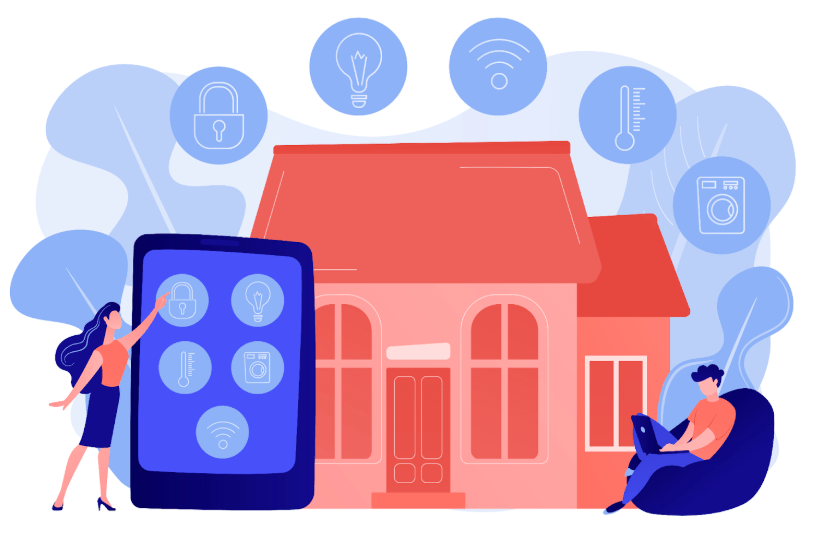
Illustration: Freepik
No Network Segmentation for IoT Devices
Network segmentation separates IoT devices from personal and work systems. In many consumer installations, this separation is overlooked and all devices connect to a single network.
Why this is a serious risk
- Sensitive data can become exposed
- Work-from-home systems may be placed at risk
What to do
Create a separate network for IoT devices using a guest network or an IoT-specific SSID. If your router supports it, VLAN-based segmentation is recommended. Otherwise, follow a simple rule: IoT devices should have internet access, but should not be able to reach your laptops, NAS, or other personal devices.
Excessive Permissions and Data Access
Consumer IoT devices often collect more data than users realize. Companion apps request permissions during setup that are not reviewed carefully. This can include access to location, microphone, camera, contacts, and broad data sharing with third parties.
Why this is a serious risk
- Increases privacy exposure
- Amplifies the impact of cloud or app breaches
- Creates long-term data security concerns
What to do
Review app permissions and only grant what is necessary. Understand what data is collected (e.g., metadata, video clips, timestamps) and how long it is retained. Limit permissions and data retention whenever possible.
Insecure Cloud Accounts and Integrations
Cloud services form the control layer for many consumer IoT ecosystems. Weak security at this level can undermine all other local protections.
Why this is a serious risk
- Attackers can control devices remotely from anywhere
- Automation rules can be modified
- Historical data and recordings may be accessed
What to do
Use a password manager to create unique passwords for every account. Enable multi-factor authentication (MFA). Review connected apps and integrations regularly and remove any that are no longer required.

Illustration: Freepik
Weak Physical Security Controls
Physical access to IoT devices is often overlooked in consumer threat models. Many devices are deployed in accessible locations with minimal tamper resistance, exposing reset buttons, USB ports, or removable storage.
Why this is a serious risk
- Devices can be reset to regain control
- Credentials or data can be extracted
- Firmware can be modified directly
What to do
Place devices in secure locations, limit access to physical ports, and ensure removable storage is encrypted whenever possible.
Limited Logging and User Visibility
Visibility is often limited in consumer IoT environments. Many devices provide little insight into security-relevant activity such as failed login attempts, access logs, or configuration changes.
Why this is a serious risk
- Attacks may remain undetected for long periods
- Users cannot easily investigate suspicious behavior
- Recovery and response are delayed
What to do
Enable alerts and monitoring where available. If your device offers no logging, consider basic network monitoring or professional support to assess suspicious activity.
Additional Ways to Deal with These Security Gaps
Homeowners can reduce security risks associated with consumer IoT devices by following a few practical steps and staying proactive about device management:
- Change default passwords and enable strong authentication
- Keep firmware and apps up to date
- Use unique Wi-Fi passwords and update routers regularly
- Segment IoT devices from personal and work systems
- Enable alerts and monitor device activity
Illustration: Freepik
Many homeowners lack the time or confidence to manage these settings consistently. In such cases, local tech support can help by guiding users through setup, verifying authentication, updating firmware and apps, configuring segmentation, enabling alerts, and explaining risks and best practices.
Conclusion
Security gaps in consumer IoT installations follow a clear and predictable pattern. Missing updates, weak authentication, excessive permissions, and similar issues expose households to avoidable risks. Addressing these gaps early—during installation and configuration—helps you keep the convenience of smart home technology without inheriting unnecessary security and privacy risks.
User Review
( votes)
You may also like