Echo Show: How Amazon Is Driving Away Customers With Excessive Advertising
 Dennis Knake
Posted On 13th October 2025
Dennis Knake
Posted On 13th October 2025
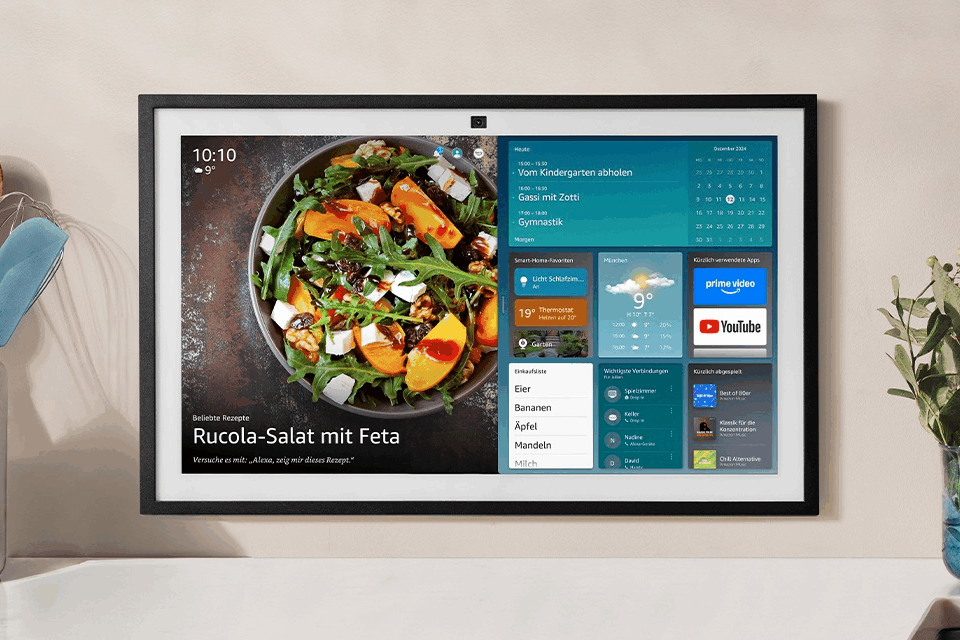
The monetization of smart products and applications is taking ever stranger turns: the days of “buy once and own forever” are over. Subscription models and ad placements have become popular tools to generate ongoing revenue over a product’s lifetime. In return, providers promise free updates. Recently, Amazon seems to have gone too far with its “Echo Show” smart displays.
Buyers report increasingly intrusive ads on devices they paid for in full. The case shows how aggressive monetization can ruin user experience, erode trust, and damage brands over time. Other platforms and manufacturers face similar issues.
In this article
Amazon: When a purchased device turns into an ad display
The Echo Show smart displays from Amazon’s ecosystem were designed to show time, calendar, weather, and personal photos and to interact with Alexa by voice. Instead, users now report seeing large-format ads, sometimes full-screen, interrupting their own content. Many buyers see this as a breach of trust: they purchased a device, not an ad platform later transformed by a software update. As Ars Technica reported, some customers have already unplugged or returned their devices. Critics argue that the company has quietly shifted the balance between utility and monetization.
Amazon’s case reflects a broader industry pattern: sell an attractive product or service first, then raise subscription prices or inject more ads later. Streaming platforms have followed the same path — first came price hikes at Netflix, Amazon Prime Video & others, then came ad tiers. While Netflix offers a cheaper, ad-supported plan, Amazon forced existing subscribers to pay extra to keep their service ad-free. Consumer protection groups in Germany have even filed a lawsuit, calling the move illegal; the case is still ongoing.
While customers can still cancel streaming subscriptions, frustration grows when it comes to purchased hardware. Those who have paid expect peace of mind. Advertising is more acceptable when announced upfront and paired with a real price alternative. If it’s added later without an opt-out, users perceive it as coercion.
Why excessive advertising destroys products
- Breach of expectations: Ads that appear only after purchase undermine trust. Buyers feel deceived.
- UX disruption: Ads that interrupt private photos or overlay content contradict a product’s purpose.
- Loss of control: Without clear options for “less” or “off,” frustration rises. Non-optional ad modes burden users.
- Privacy issues: Personalized ads require data processing. Poor transparency amplifies skepticism.
- Long-term cost: Short-term ad revenue can erode loyalty, referrals, and repeat purchases — ultimately more expensive than lost ad sales.
YouTube: Advertising as constant noise instead of added value
YouTube exemplifies this balancing act. The platform has always been ad-supported, but ad density and length have grown sharply. Unskippable spots, mid-roll interruptions, and stricter anti–ad-blocker measures push users toward the Premium subscription. Many now try to avoid ads entirely or pay for ad-free tiers. Unlike Amazon’s hardware, YouTube’s ads were part of the deal from the start. Still, once advertising dominates content, user satisfaction drops and churn increases.
Smart TVs: Home screens as billboards
Even living room TVs are turning into digital ad boards: manufacturers are equipping devices with increasingly ad-driven interfaces. Buyers of high-end models from Samsung or LG see banners, tiles, and video ads upon startup. Pre-installed apps that can’t be deleted further clutter the system. Platform providers like Roku also monetize their home screens. The result is similar to Amazon’s case: an interface meant to be neutral becomes a marketing surface, reducing user control and trust.
While many Smart TVs still run on Google Android TV, some brands now prefer to keep ad revenue in-house. Philips, for example, introduced its new Titan OS in early 2024. Since then, all new Philips TVs have shipped without Google Android — to the annoyance of users who report similar levels of advertising but fewer functions and a smaller app selection.
Lessons from Amazon’s example
The Amazon case illustrates the thin line between helpful assistance and intrusive marketing. Smart displays are meant to inform and connect the home, not constantly push purchases. Excessive advertising fuels skepticism toward the Internet of Things itself. When consumers fear that their fridge, speaker, or display might suddenly turn into a billboard, they hesitate to buy — stifling innovation and weakening ecosystems. Companies often underestimate how quickly trust erodes once people feel they’ve lost control over their own devices.
Operating the cloud infrastructure behind connected products costs money even after purchase. But there are better solutions — such as optional subscriptions for premium features or open interfaces that let customers manage their devices independently. Open systems often attract active communities of enthusiasts who expand functionality and extend product life — creating long-term brand value.
Finally, open APIs protect consumers from nasty surprises when manufacturers shut down cloud servers and render devices useless overnight, producing instant e-waste.
Trust is not an ad channel
Advertising can help fund products — but it should never define them. Three principles matter: clear user choice, strict moderation, and real opt-outs. Violate these, and short-term monetization becomes expensive. Amazon’s experience is a warning: hardware should never double as an ad platform. In the long run, companies that treat advertising as a secondary feature — and prioritize usability — will win.
Summary
- Amazon alienates Echo Show buyers with intrusive ads on paid devices.
- Streaming platforms like Netflix and Prime Video increasingly rely on ads, sometimes facing legal scrutiny.
- Smart TV makers such as Samsung, LG, and Philips turn their home screens into ad spaces.
- Philips replaces Google Android with Titan OS to control ad revenue — at the expense of user experience.
- Trust and transparency remain key: advertising should complement, not dominate.