DiGA without wearables: Does the world’s largest health experiment have a hardware problem?
 Dennis Knake
Posted On 27th March 2026
Dennis Knake
Posted On 27th March 2026
Germany is the first country to systematically integrate digital therapy apps into a public health insurance system. From an IoT perspective, though, the system is missing its most important element: the connection to physical sensor hardware.
Key Takeaways
- Germany’s DiGA system is the world’s first framework for prescribing and reimbursing digital health apps through statutory health insurance – yet wearable and sensor integration remains the exception, held back by triple interoperability requirements (ISO/IEEE 11073, HL7 FHIR, gematik MIO) and bottlenecks in MDR certification.
- France (PECAN) and the UK (NICE EVA) have launched their own fast-track pathways for digital health apps – in some ways designed closer to hardware from the start.
- Whether the DiGA system can evolve from a pure software platform into a true connected health ecosystem depends on three factors: electronic health record integration via FHIR, the European Health Data Space, and pricing reform for hardware-intensive applications.
Since 2020, physicians in Germany can prescribe digital health applications – known as DiGA (Digitale Gesundheitsanwendungen) – and statutory health insurance covers the cost. These products must pass a fast-track review by the BfArM (Germany’s Federal Institute for Drugs and Medical Devices), carry a medical device certification, and demonstrate clinical benefit. More than 1.5 million prescriptions have been redeemed to date.
Germany is no longer alone. In 2023, France launched PECAN, a fast-track pathway that explicitly includes telemonitoring systems, designed with hardware in mind from day one. The UK uses NICE’s Early Value Assessment, which conditionally recommends digital therapies while closing evidence gaps through real-world data collection. Both models benefit from having observed Germany’s weaknesses first.
The wearable gap: where the hardware is missing
From an IoT perspective, the critical question is obvious: what about sensors, wearables, and connected devices? The real value of HIoT (Human Internet of Things) only materialises where software and physical sensors work together.
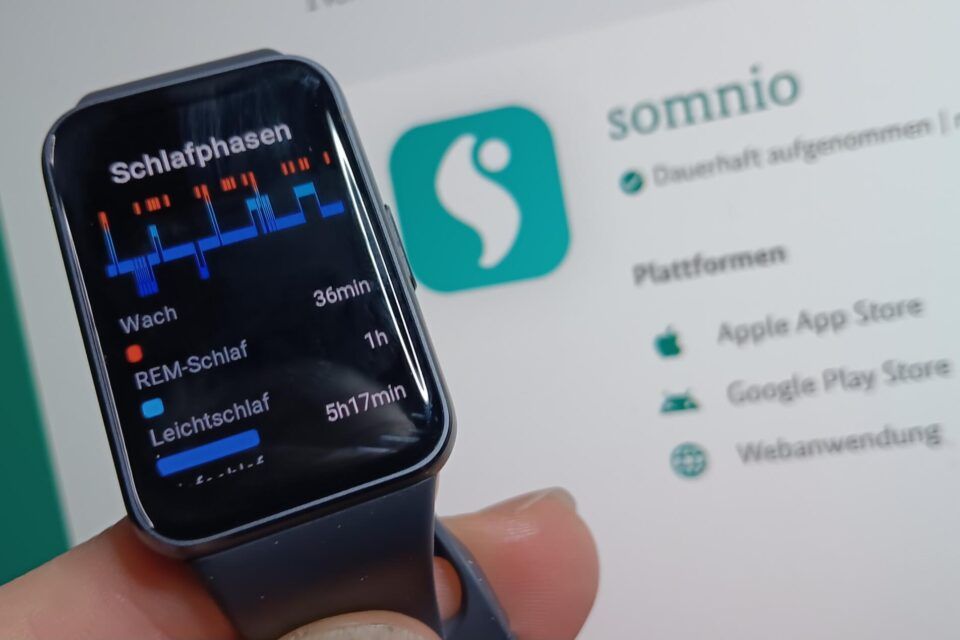
Legally, this would be possible. According to BfArM guidelines, a DiGA can incorporate hardware such as sensors or wearables, provided the primary function remains digital. In practice, wearable integration is the exception: the sleep therapy DiGA somnio connects with trackers from Garmin, Fitbit, and Withings; the diabetes management system ESYSTA links smart insulin pens via Bluetooth. But the vast majority of listed DiGA operate without any hardware connection at all.
The reasons are both technical and regulatory. Integrating a wearable requires demonstrating interoperability at three distinct layers: the hardware interface (via ISO/IEEE 11073 or Bluetooth Health Device Profile), the application layer (via HL7 FHIR), and the electronic health record via gematik-compliant MIO profiles. Each layer comes with its own standards and certification requirements – compounded by the well-documented shortage of Notified Bodies for MDR certification across Europe.
On top of that, consumer wearables use proprietary algorithms with varying sampling rates and measurement methods. Wearable-based atrial fibrillation detection, for instance, fails not only because primary prevention is excluded from the DiGA framework, but also because the question of whether consumer devices can be validated as diagnostic instruments remains unresolved.
Why the model still matters
Beyond the wearable question, the DiGA system faces structural challenges: manufacturer prices averaging €541 per prescription during the free pricing phase, high development costs, and low patient awareness. According to an analysis by E-HEALTH-COM, developers are increasingly pivoting to ad-funded health apps – the exact opposite of what the system was designed to achieve.
And yet, the DiGA framework remains the most concrete experiment worldwide in publicly funding digital therapeutics. For the global HIoT industry, three developments will determine its success or failure.
First: electronic health record integration. Once DiGA data flows into Germany’s electronic patient record (ePA) via FHIR profiles, it creates an infrastructure that wearable data can plug into. Second: the European Health Data Space, which aims to regulate cross-border health data exchange – including patient-generated wearable data. Third: pricing reform, without which hardware-intensive DiGA will struggle to break even.
Whether Germany becomes a model or a cautionary tale matters far beyond its borders. If the world’s most ambitious reimbursement system for digital health cannot make the leap from app to connected medical device, it will be a long time before another country tries.
User Review
( votes)