Server Shutdown: Those Who Trusted the Cloud Are Left Behind!
 Dennis Knake
Posted On 15th October 2025
Dennis Knake
Posted On 15th October 2025
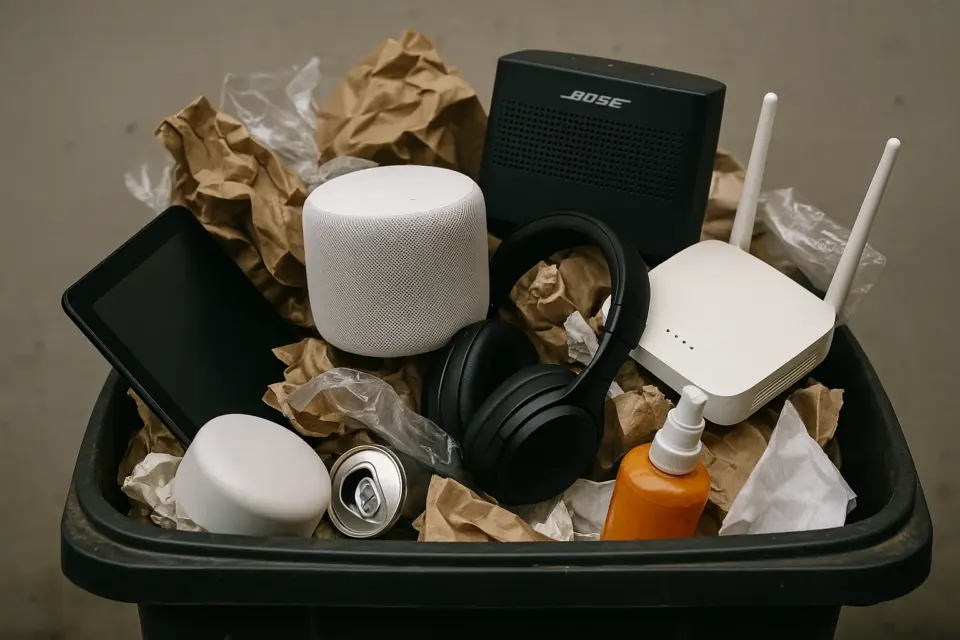
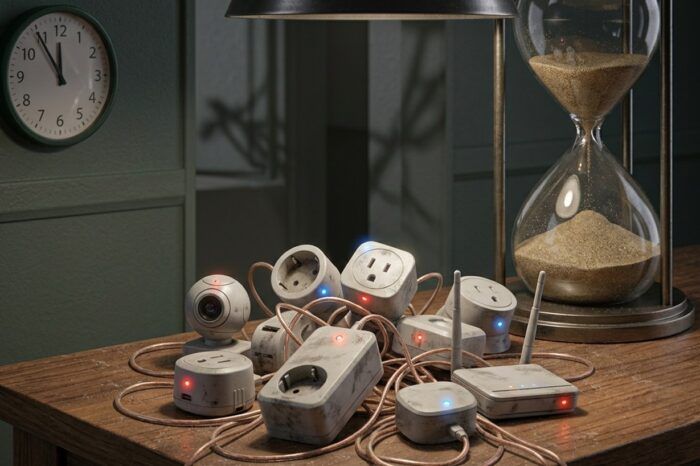
A sentence everyone should remember: those who believe they’re buying something future-proof when purchasing a “smart” device are fooling themselves. The shiny new world of the Internet of Things is showing its true face: once again, manufacturers are literally pulling the plug on their customers – not because the devices are technically obsolete, but because keeping them alive is no longer profitable.
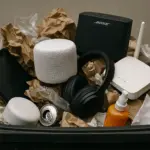
Latest example of a premature Server Shutdown: Bose. The U.S. manufacturer will end support for its SoundTouch series on February 18, 2026 – products many users bought as high-quality multiroom systems. When the cloud servers are shut down, only basic offline functions will remain. The rest? E-waste. Perfectly functioning hardware, digitally devalued.
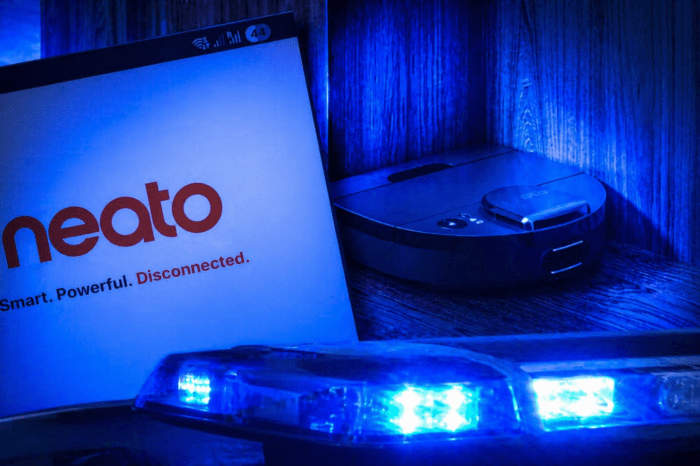
Bose is far from alone. The list of cloud failures keeps growing: Amazon (Echo Connect, Cloud Cam), Belkin (Wemo), Devolo (Home Control), Vorwerk with Neato, Apple with the HomePod, Telekom (Smart Speaker), Insteon, and many more. The pattern is always the same: first, products are marketed with “smart” features – app control, automation, cloud intelligence. Then, when sales stagnate or a new model is ready, the servers are shut down. And with them, the devices.
Manufacturers justify these moves with “strategic realignments” or “technological advances.” In truth, it’s sheer indifference toward their customers – those who believed in the promises of the so-called “connected future.” Anyone who buys a smart home product assumes it will work as long as the hardware does. But reality looks different: the lifespan of these devices doesn’t depend on their components, it depends on a cloud server whose fate lies solely in the hands of the manufacturer.
Server Shutdown: Those who buy “smart” end up looking dumb fast.
What remains is frustration. Frustration with a business model that turns buyers into beta testers on borrowed time. Frustration with corporations that preach sustainability while digitally destroying functioning devices. Frustration with the absurdity of living in an age where “right to repair” and resource conservation are political goals, yet billions of euros worth of hardware are rendered worthless by a simple software update or server shutdown.
We finally need clear rules and open standards. Closed systems must be boycotted. When manufacturers shut down their cloud services, they should be legally required to release their code or at least open their APIs so users and developer communities can take control and keep devices running. Projects like Home Assistant or Valetudo prove that local control works – entirely without cloud dependency. Likewise, broad adoption of the cross-manufacturer Matter standard could help protect customers from the worst outcomes.
Until then: anyone who truly wants a “smart” home should avoid products that don’t work without the cloud.
Because those who rely on the cloud – are left behind.