IoT is established, future-proof – and still one of the least respected terms in tech. Communications expert Brad Chase delivers a blunt wake-up call: the problem isn’t the technology, it’s the framing
The FCC has named ioXt Alliance as the new lead administrator of the U.S. Cyber Trust Mark – the IoT security label mandatory for all U.S. federal suppliers from 2027. Behind the restart lies a political contradiction: the same FCC chairman who blocked the old program now cites national security – while ioXt itself certifies Chinese members.
I had promised myself not to write yet another article from the “Internet of Trash” category, lamenting how helpless we all are when the cloud goes down. But fate had other plans: On October 20, 2025, a large-scale outage of the AWS Cloud demonstrated how vulnerable the Internet has become to a single disruption. Ironically, resilience against individual failures was once the very foundation of an indestructible communication network.
A sentence everyone should remember: those who believe they’re buying something future-proof when purchasing a “smart” device are fooling themselves. The shiny new world of the Internet of Things is showing its true face: once again, manufacturers are literally pulling the plug on their customers – not because the devices are technically obsolete, but because keeping them alive is no longer profitable.
As Tesla’s stock continues to stagnate amid dwindling demand and shrinking profits, CEO Elon Musk is working hard to keep his investors happy.
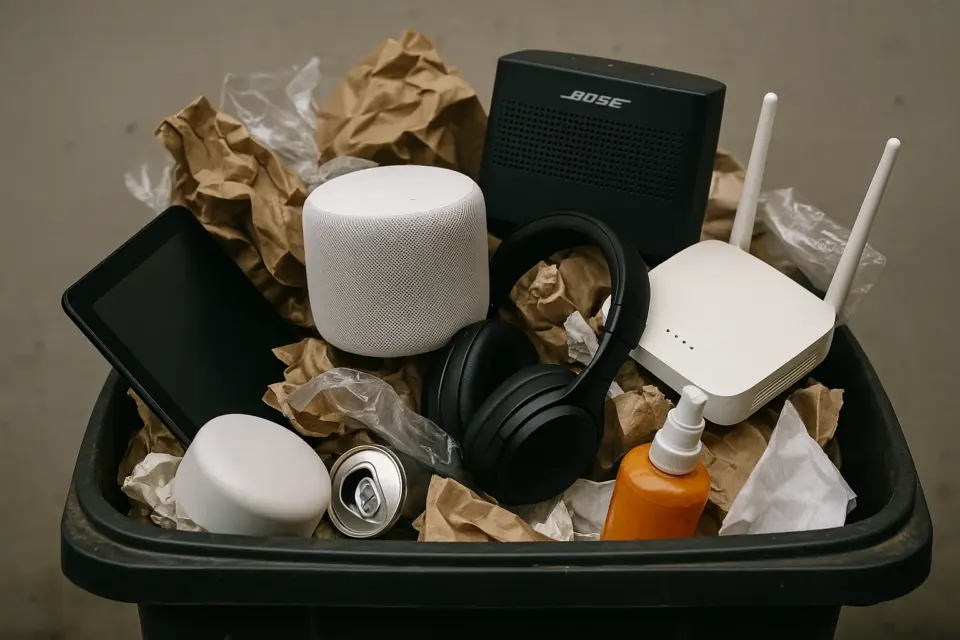
Smart lamps, cameras, loudspeakers, air filters, vacuum cleaners: The Internet of Things is home to a lot of nice smart products. But a reckless update policy of manufacturers, who deliberately turn faultless products into electronic waste after only a few […]
Every time the political elite meets for the digital summit, formerly the “national IT summit”, we hear the usual phrases. Talking about the emancipation of large American corporations, about the “German Cloud”, the necessary broadband expansion. This is all correct and important. But let’s be honest, usually it is not more than buzzword bingo, the desire to distinquish oneself. But reality is different.
An recent article in the New York Times makes you sit up and take notice: Contrary to general expectations, self-driving cars would lie further in the future than had been assumed. The newspaper quotes managers of the automotive industry and […]
Agile – That sounds fresh, that sounds dynamic: Somehow word has got around that this must be the ultimate in development philosophy. Even people who have not yet developed anything in their lives except perhaps a healthy appetite, like to ask if they would also “develop agile”. It’s probably one of the buzzwords of recent years. But is Agile always the right approach? Does it automatically guarantee a usable or customer-oriented product?
The smart meter rollout is currently one of the dominant topics in the energy industry. The basic idea is simple: give consumers more information about your energy consumption, then they will behave more energy – and price-consciously. The means to an end: the smart meter. But what came out of the further implementation is neither intelligent nor smart. What’s going on?