

Data, they say, is the new gold. But how do you turn one into the other? Anyone who wants to generate sustainable value from data needs a strategic approach. We present 5 data-driven business models in this two-part article. Data-driven […]
0
Data, they say, is the new gold. But how do you turn one into the other? Anyone who wants to generate sustainable value from data needs a strategic approach. We present 5 data-driven business models in this two-part article. Data-driven […]
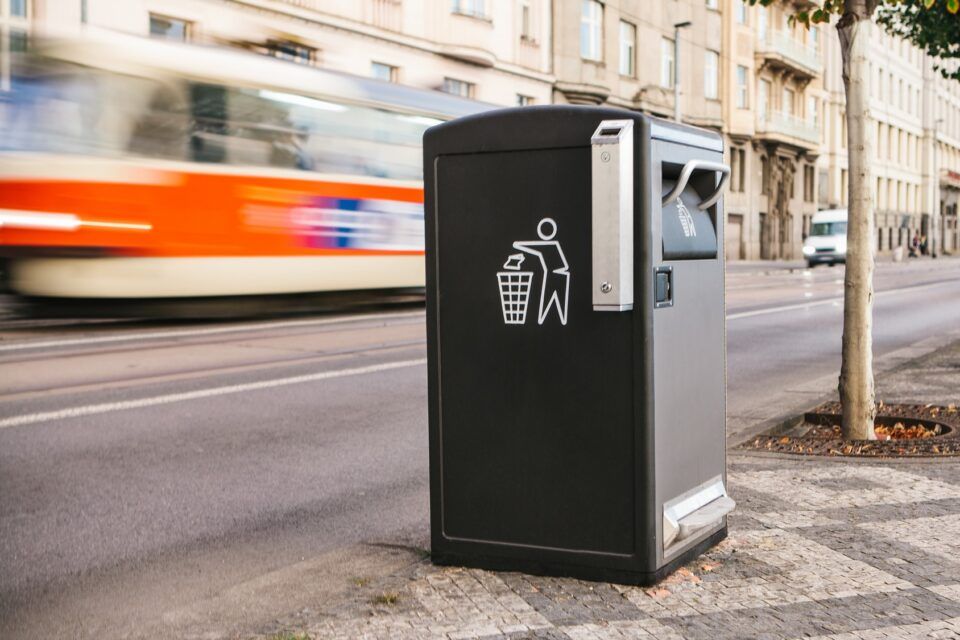
Keeping our cities clean with smart waste bins: Intelligent waste management with smart containers could avoid overfilled waste bins and saving municipalities a lot of money. Harald Naumann, engineer in information electronics, explains how.
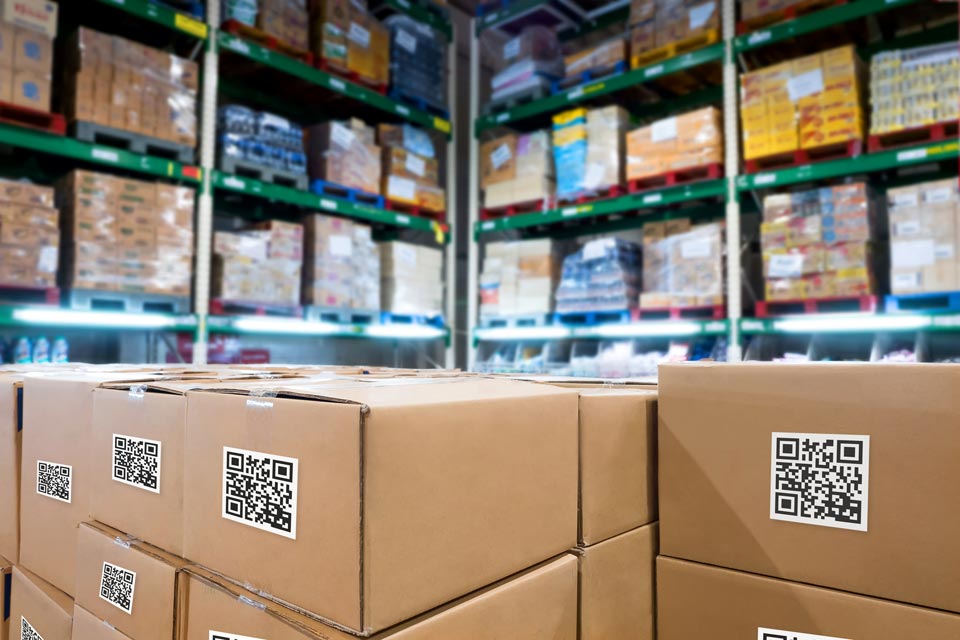
IoT in logistics is one of the most promising fields for experimentation with new uses of the IoT. There is huge scope in logistics for eliminating inefficiencies such as wasted journeys, unused storage or haulage space, and the loss, theft, spoiling or impairment of goods in transit and in storage.

Driven by innovative technologies in the field of sensors, computing speed and battery life, it is conceivable that our clothing will increasingly change over the next few years. The so-called “Smart clothes” are clothes characterized by traditional protective and representative functions in combination with digital and technical features.

Smart services such as car sharing, or package tracking form a central foundation for future digital business models. Companies that know how to innovatively exploit the potential of data open up completely new business opportunities.
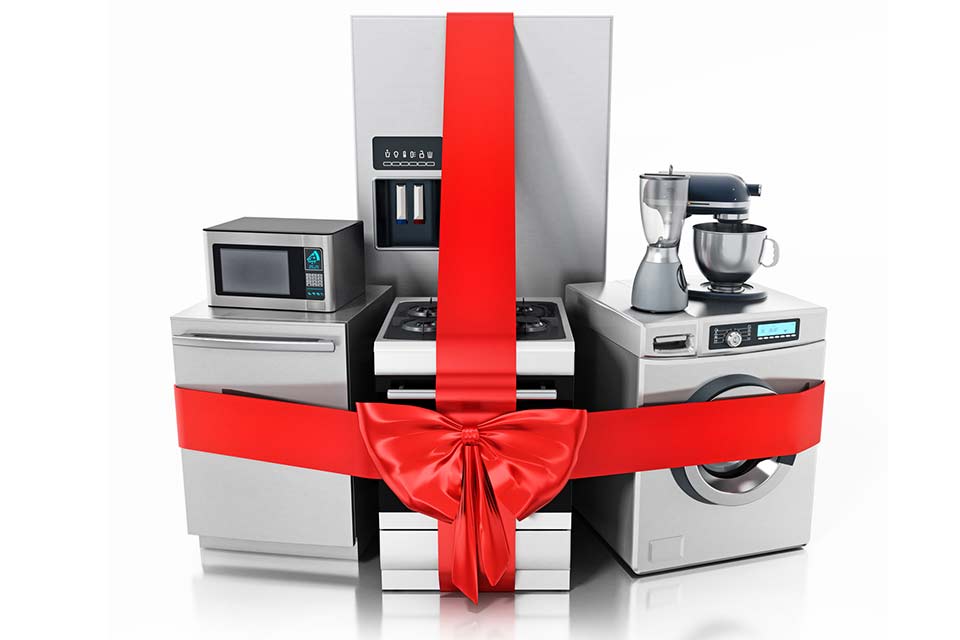
Smart products such as fitness trainers, connected cars or intelligent houses are changing the expectations of customers – and are ploughing over entire industries and branches of industry. In the light of this development, companies should therefore rethink their product […]
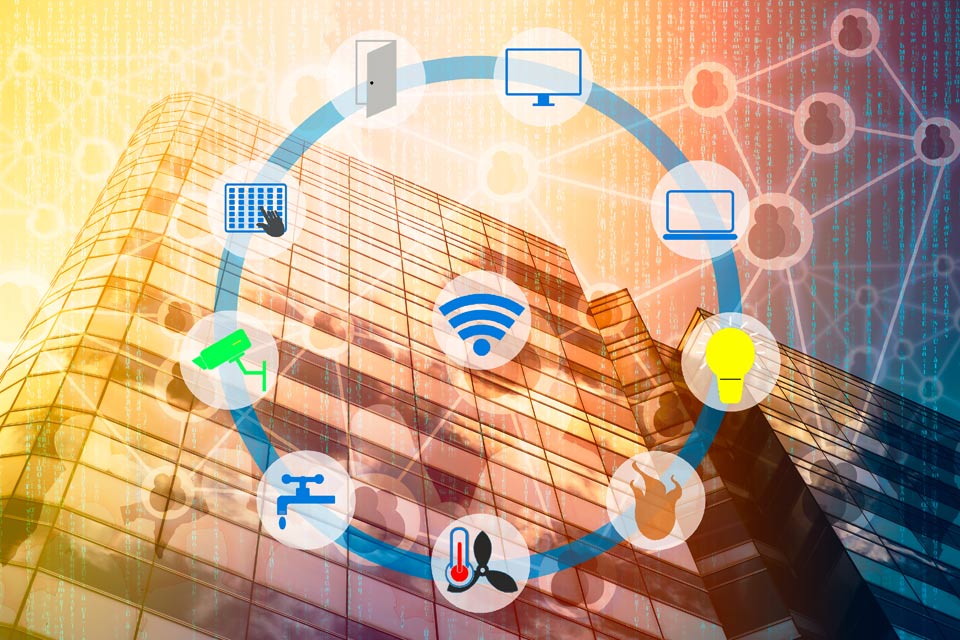
The building automation industry supports a number of rival control networking technologies that can be used to connect and control many diverse types of devices and appliances made by many different manufacturers. Does the IoT threaten the future of building automation the way we know it?

A large or medium-sized office or commercial building might contain hundreds of rooms. Modern technology enables each of those rooms to benefit from automatic control of the parameters that most affect the occupants’ health, safety, comfort and productivity – notably […]
Considering how automated many artificial environments are, it is remarkable that most buildings today have so many manual controls.
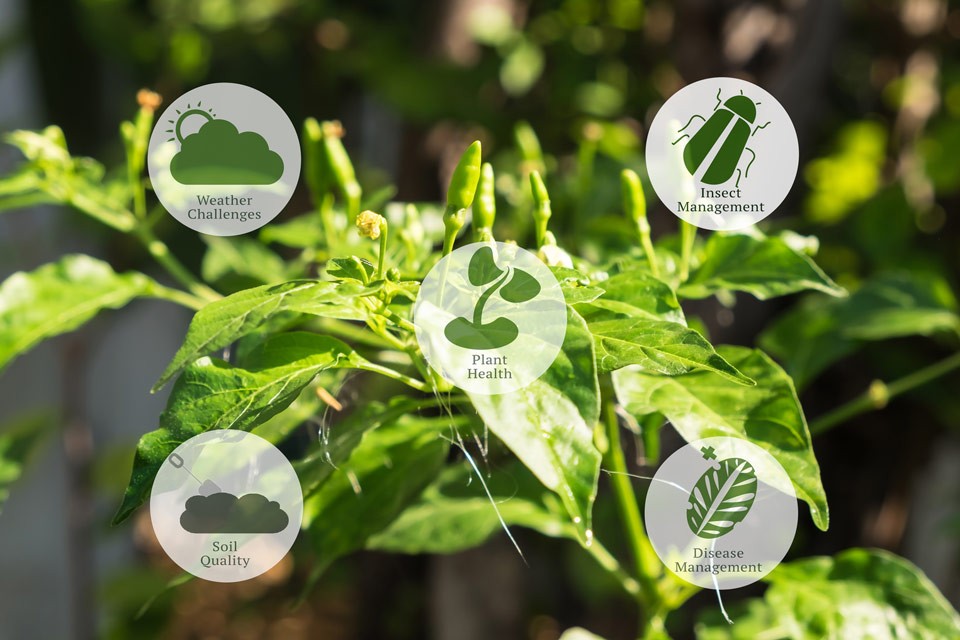
Humans have been farming successfully for thousands of years, for most of that time using only the most primitive of technologies. Only in the very recent past have computers begun to have an impact on the way that farmers grow crops and raise livestock. So it might seem strange to suggest that a traditional craft honed over such a long time could be ripe for reinvention via the Internet of Things.