
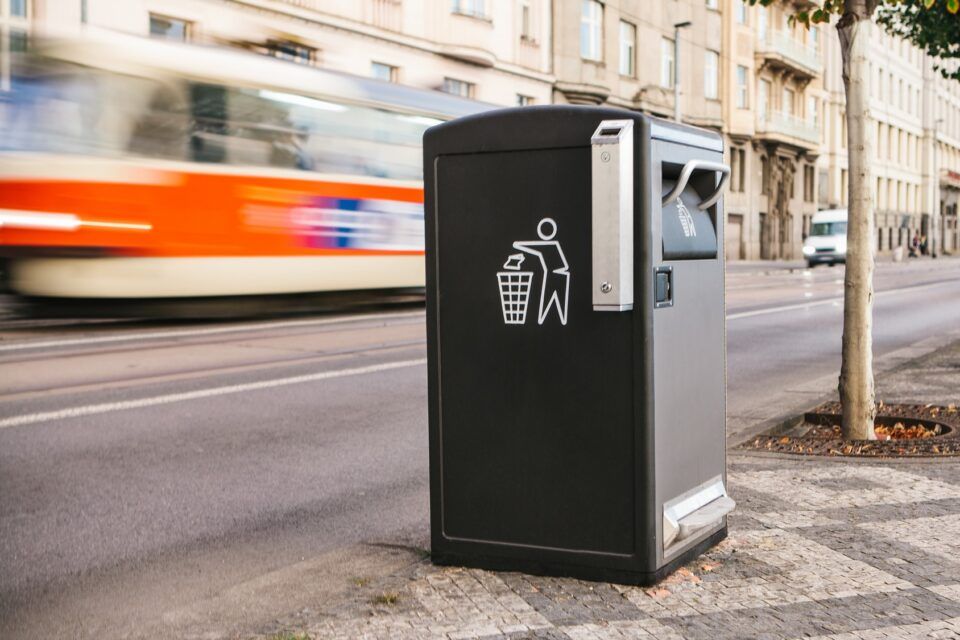
Keeping our cities clean with smart waste bins: Intelligent waste management with smart containers could avoid overfilled waste bins and saving municipalities a lot of money. Harald Naumann, engineer in information electronics, explains how.
0
Keeping our cities clean with smart waste bins: Intelligent waste management with smart containers could avoid overfilled waste bins and saving municipalities a lot of money. Harald Naumann, engineer in information electronics, explains how.

Driven by innovative technologies in the field of sensors, computing speed and battery life, it is conceivable that our clothing will increasingly change over the next few years. The so-called “Smart clothes” are clothes characterized by traditional protective and representative functions in combination with digital and technical features.

IoT vs. M2M: Is the Internet of Things the same old model of machine-to-machine communication of the 1990s, packed in new clothing?.
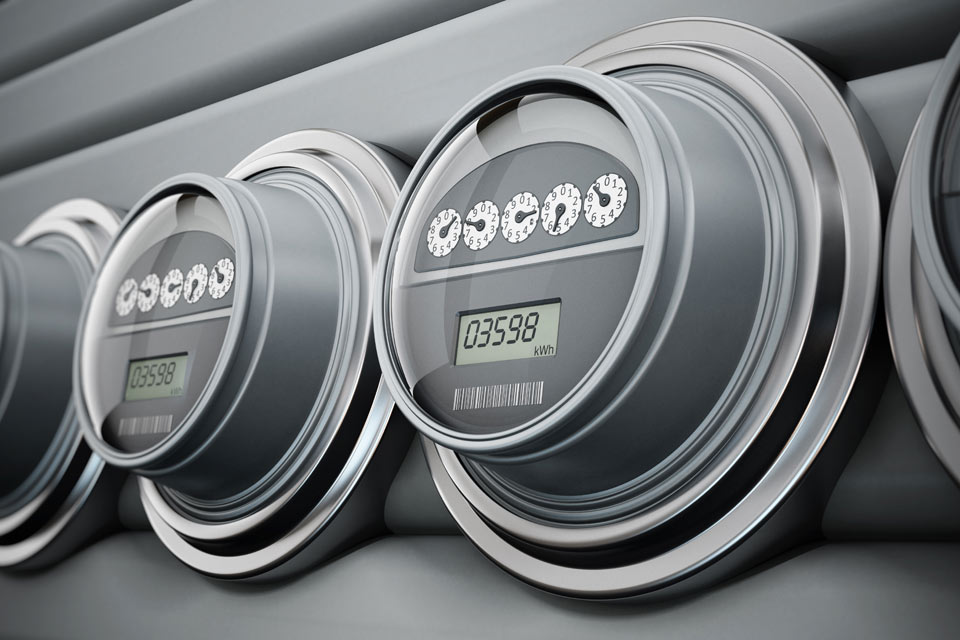
The strongest growth factors for Internet of Things solutions in the Energy, Utility Applications Market are software, services and connectivity. According to a new report, the Market will double within the next five years and reach $59,9 billion in 2022 with an annual growth rate of 22,9%.

‘Reaper’ is the new scare. But we’re not lost. We all could do something about it. As well as consumers and especially as manufacturers of IoT devices.

In the Internet of Things, large amounts of data need to be transferred and processed quickly. However, the cloud with its relatively narrow bandwidth is overwhelmed with it – edge computing as data processing on-site is getting increasingly important. Is the end of the cloud getting closer?

If you’re into developing products for the Internet of Things, the term OTA Update (OTAU) might have crossed your path. It’s a feature to remotely deliver updated software to your products without having physical access to it. It comes in handy to keep your customer devices up-to-date or to upsell new services later on. To support Tesla owners in Florida to flee from Hurricane Irma, the carmaker temporarily has unlocked the full capacity of its batteries.

Imagine an industrial environment: a large production hall, where complex machines work around the clock, interact with each other, depend on each other. Now, imagine an IIoT ecosystem whose task it is to monitor every single detail within the production process: positions, speed, temperature, pressure, energy consumption, filling levels – all the metrics that play a crucial role for an efficient process. To reduce idling, prevent failure or simply save resources, hundreds, if not thousands of sensors are needed. The more the better. But with only a centralized intelligence, Industrial IoT (IIoT) could quickly become a bumpy ride.

In a recent tweet, researcher Ankit Anubhav, specialized in IoT security, drew attention on a list circling the internet, containing thousands of IP addresses of IoT devices including their login data. Many of the devices are still accessible via Telnet, some of them already have been taken over by botnets. What baffles is that despite the many incidents related to poorly secured IoT devices and constant warnings from security professionals, most of the logins couldn’t been easier to guess: When “admin:admin” or “root:123456” grants access to a device, calling it “hacking” to take control already sounds like an insult. My plea: Think of security first, when you think of the IoT!

A serious security issue relating fully automated car washes made the headlines this week: Researches found a way to manipulate internet-connected drive-through car washes that could physically attack vehicles and their passengers. The problem: configuration of the machines could be changed online. A decentralized system could have avoided that.